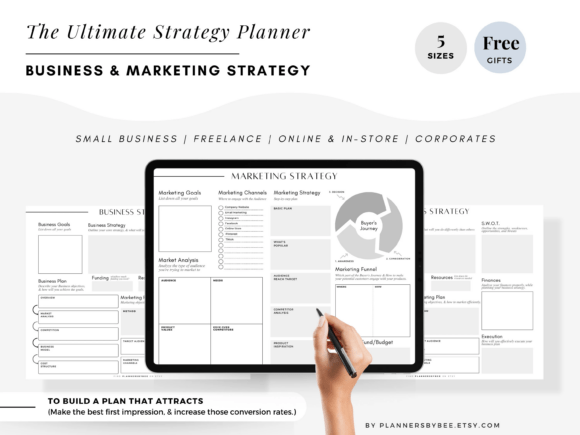
Marketing Strategy Workbook: A Designer's Blueprint for Success
Every compelling visual identity begins not with a color palette or font choice, but with a clear, actionable strategy. For graphic designers and creative professionals, a Marketing Strategy Workbook is the foundational tool that bridges the gap between abstract brand vision and tangible, impactful design. It transforms scattered ideas into a cohesive plan, ensuring every visual element—from logo design to social media graphics—serves a deliberate purpose in building brand recognition and driving engagement.
Think of this workbook as the architectural blueprint for your client's brand ecosystem. It moves beyond generic advice, providing a structured framework for defining target audiences, key messaging, and competitive positioning. This strategic depth allows you, the designer, to create work that is not only aesthetically pleasing but also deeply resonant and effective. When you understand the "why" behind the brand, your creative decisions regarding typography, color psychology, and visual hierarchy become more intentional and powerful.
Practical Applications Across Creative Projects
The true value of a marketing plan is its direct application to your design workflow. It informs and elevates a wide range of creative projects, ensuring consistency and strategic alignment across all touchpoints.
- Brand Identity & Logo Design: The workbook’s brand strategy pages directly inform the personality and values your logo must encapsulate. It guides the selection of a color palette that evokes the right emotions and typography that speaks in the brand’s authentic voice.
- Digital Marketing & Social Media: Use the content planning sections to map out a visual content calendar. This ensures your social media graphics, ad campaigns, and web design elements work together to tell a consistent story, improving user experience (UX) and engagement.
- Editorial & Packaging Design: For print design and packaging, the strategy defines the shelf appeal and unboxing experience. It guides layout, imagery, and copy placement to communicate value instantly and enhance the overall brand identity.
- Presentations & Digital Products: A clear business strategy ensures your presentations and digital assets have a professional presentation that builds trust. The visual hierarchy you create will guide the viewer’s eye to the most critical information, whether it’s a sales pitch or an instructional guide.
Integrating Strategy into Your Design Process
Effectively using a Marketing Strategy Workbook means treating it as a living document that informs your entire creative process. Here’s how to leverage it for superior results:
- Start with Clarity: Before opening Adobe Illustrator or Figma, thoroughly complete the business and marketing strategy sections. Define the core message, audience demographics, and key performance indicators. This clarity will be your creative compass.
- Build a Visual System: Translate the strategy into a tangible design system. The workbook’s goals will help you establish a scalable color palette, a typographic hierarchy for readability, and compositional rules that create visual consistency across all platforms—from web design to merchandise.
- Evaluate for Impact: Use the strategy to critique your own work. Does this social media graphic align with the brand’s positioning? Does the packaging design communicate the product’s key benefit as outlined in the plan? This ensures your design choices are always in service of the overarching business goals.
Ultimately, a thoughtfully crafted marketing strategy is the most critical asset in a designer’s toolkit. It empowers you to move beyond decoration and into the realm of strategic visual communication, creating work that not only looks exceptional but also performs with purpose. By grounding your creative projects in this structured approach, you deliver designs that strengthen brand identity, resonate with audiences, and achieve measurable business outcomes.